What Does the Boiler Ban Mean for Tradespeople in the UK?
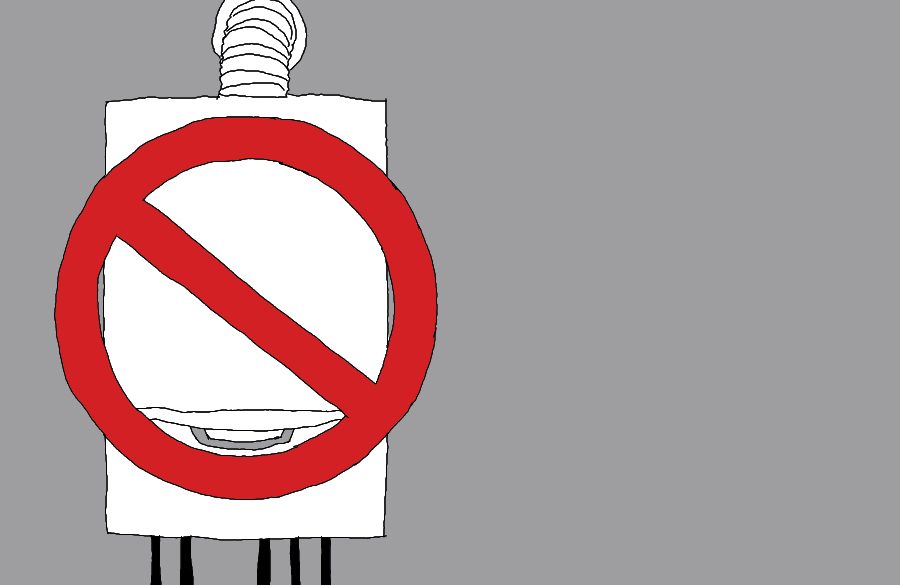
The United Kingdom has long been committed to reducing its carbon emissions and transitioning to a greener, more sustainable future. As part of this effort, the government has announced plans to phase out the use of fossil fuel-powered boilers in homes, signaling a significant shift in the heating industry. This decision, which is part of the broader effort to combat climate change, will undoubtedly have a profound impact on tradespeople in the UK.
What is the Boiler Ban?
The boiler ban, officially known as the Future Homes Standard, is an initiative by the UK government to encourage the installation of low-carbon heating systems in newly constructed homes. The plan involves gradually phasing out the installation of traditional gas and oil boilers in new homes, with the goal of achieving net-zero carbon emissions by 2050.
The key points of the Future Homes Standard are:
- Low-Carbon Heating Systems: New homes built after the proposed dates will be required to use low-carbon heating systems, such as heat pumps, as the primary source of heating.
- Energy Efficiency: Homes will also need to meet higher energy efficiency standards, including better insulation and reduced energy consumption.
- Gas Boiler Phase-Out: Traditional gas boilers will no longer be allowed as the primary heating source in new homes.
- Hybrid Systems: While gas boilers are not completely banned, they can only be used in conjunction with low-carbon alternatives in hybrid systems.
- Reduced Carbon Emissions: The goal is to significantly reduce carbon emissions from residential heating.
Impact on Tradespeople
Tradespeople, including plumbers, heating engineers, and construction workers, will be directly affected by the boiler ban. Here’s what it means for them:
- Skills Upgrade: Tradespeople will need to acquire new skills and training in low-carbon heating systems, such as heat pumps and solar thermal systems.
- Increased Demand for Low-Carbon Heating Installations: As more homes switch to low-carbon heating systems, there will be a growing demand for tradespeople skilled in the installation, maintenance, and repair of these technologies.
- Adaptation of Services: Many tradespeople may need to adapt their services to align with the changing market. This may include offering heat pump installations, servicing, and repairs.
- Hybrid Systems Expertise: Tradespeople who can work on hybrid systems, combining gas boilers with low-carbon alternatives, may find a niche market as homeowners look for transitional solutions.
- Environmental Awareness: Tradespeople will need to stay informed about environmental regulations and policies, as they will play a crucial role in ensuring compliance with low-carbon heating requirements.
- Business Opportunities: As the UK moves towards a greener future, businesses and tradespeople who are quick to embrace and promote low-carbon heating solutions could benefit from a competitive advantage.
Conclusion
The boiler ban, as part of the Future Homes Standard, is a significant step towards a more sustainable and environmentally friendly future in the UK. While it presents both opportunities and challenges for tradespeople, it ultimately positions them at the forefront of the transition to low-carbon heating solutions. Adapting to these changes, acquiring new skills, and staying informed about industry developments will be key for tradespeople to thrive in the evolving market and play a crucial role in reducing carbon emissions in the UK.